



(above) Secret Room Closed; (below) Secret Room Open

Shh, close the door. We\’re entering the world of secret rooms – the ultimate hideaways for everything from superhero costumes to that stash of chocolate you\’re hiding from the kids. [The example (above) shows a hidden panel that pushes open to reveal a secret staircase. A step-over baseboard enhances the secret because there is no telltale seam.] But before we start pulling on bookshelves and tapping on walls, let\’s talk safety. Because what\’s the point of having a secret room if you\’re not around to enjoy the secrecy?
Find this point on HomeBuildingTimeline.com
at grid position Y-26.

First things first; the purpose of the room is to store YOU and your family in a safe, secure, temporary, non-isolated manner. It’s not a closet. It’s not a storage room. It’s not a depository for household articles quickly picked up and tossed in whenever company drops by. Keep the secret room as empty as possible, even if it normally serves as a closet or pantry or bathroom. Keep plenty of open space for people and pets to sit or stand – or lie down – and still be able to reach emergency equipment like a radio, and to open and shut the door. Don’t ‘sardine’ yourselves so tightly that movement and breathing is restricted.
Location, Location, Location! You don\’t want your secret room to be in a flood zone or, heaven forbid, under the kitchen where a rogue meatball could give away the entrance. Choose a spot that\’s safe from natural disasters and accidental food attacks. It should be easily accessible even if it’s a secret; a spot, central to approach by every person in the house; and many would agree that pets are people, too.
When the skies turn dark and the winds pick up, or you’re just trying to hide from the children, having a storm shelter can be a real lifesaver. But where should you hunker down when Mother Nature throws a tantrum? Let\’s compare the safety considerations for a storm shelter out in a field, away from the house, and a storm shelter inside the house.
First up, the outdoor storm shelter. Picture this: a cozy little bunker nestled in the great outdoors, just a hop, skip, and a jump away from your home. It\’s like a mini vacation spot, except it\’s designed to protect you from flying cows and the neighbor\’s garden gnome during a tornado. Now, these shelters are great because they\’re typically built underground, which means they\’re naturally protected from high winds and debris. Plus, they give you an excuse to get some fresh air, even if it\’s just during the mad dash on the way to the shelter.
But here\’s the catch: if that storm hits faster than you can say \”twister,\” you might find yourself in a bit of a danger zone trying to reach your outdoor safety zone. And let\’s not forget, if it\’s pouring rain or hailing, you\’ll be drenched by the time you get there. So, while outdoor shelters are tough cookies, their location can be a bit inconvenient when you\’re racing against the weather.
Now, let\’s mosey on over to the indoor storm shelter. These bad boys are usually built into your home, like a superhero\’s secret lair hidden in plain sight. They can be tucked away in your basement, garage, or even under your stairs if you\’re feeling particularly Harry Potter-ish. The beauty of an indoor shelter is that it\’s just a few steps away, no matter what\’s brewing outside. You can roll out of bed and into safety without ever touching a raindrop.
However, indoor shelters have their own quirks. For starters, they need to be built strong enough to withstand the huffing and puffing of the big bad wind. That means reinforced walls, no windows, and a door that won\’t budge if Dorothy\’s house comes flying at it. And if your house decides to do its best impression of a deck of cards in a hurricane, well, your shelter needs to stand tall amidst the chaos.
So, what\’s the verdict? Both types of shelters have their pros and cons, but the most important thing is that they\’re built to the proper safety standards. Whether you choose an indoor or outdoor shelter, make sure it\’s up to snuff with FEMA\’s guidelines and ready to take on whatever the weather throws your way. And remember, always keep your shelter stocked with essentials like water, snacks, and a good book (and a box of chocolates)—because you never know when you\’ll need to wait out the storm with a little light reading. Stay safe out there!
NEXT UP, AIR – it\’s pretty important. You\’ll want to install a top-notch ventilation system to keep the air fresh. Because nothing gives away a secret room like a desperate plea for fresh oxygen. “Help, I can’t BREATHE!!” is probably a tipoff to any perps prowling around beyond the secret door hiding your not-so-secret prayer for air. There’s one more clean-air aspect of a bunch of people packed into a tight space. For those of more delicate sensibilities, I’ll call it ‘punctuations of human existence;” those instances when one’s internal order is reorganized, suddenly and uncontrollably, then announces itself with an outburst of turbulent rumbling, acrid, eye-burning fumes, and an unwelcome aroma; all combining to make all fellow safe-room occupants part of the turbulence, not to mention a ceasing of the desire to breathe. So, a fast-operating exchange of fresh air is important.
DOORS OPEN IN. Now, let\’s talk about ENTRANCES. A revolving fireplace? Classic. A bookshelf that swings open when you pull the right book? Genius. It’s just that the real genius of a Secret Room is all about “hiding on demand,” like you can go in and out of the room whenever you want to. It could be to run in from a storm, or sneak to that box of hidden chocolates, then keep out any interruptions by anyone who might overhear slurping on a chocolate covered cherry or chewing on a caramel. But ‘ining and outing’ can be stopped cold if the door is blocked and won’t open.
How could it get blocked? Storm tossed debris could be piled up outside the out-swinging door. Or something could be intentionally pushed against the door preventing it from opening. Try to avoid the family slogan, “Stop trapping your brother in the Safe Room.” If the door swings out, storm debris – and brother-placed blockage – will prevent it from opening, so the door MUST SWING IN, away from the big pile of rubble and wreckage, and brotherly barricades. No sliding doors are allowed, either. They can easily be blocked as well.
SECURITY : Let\’s make sure it\’s secure. There are two main reasons for having a lockable room: [1] to prevent unsupervised access, so {a} children can’t lock you out whenever their battle cry is, “I didn’t do it and I’m never coming out;” {b} children can’t lock one another in, like when they say with feigned innocence, “No ma’am, I don’t know where my brother is;” {c} they can’t sneak in and hide while they eat all your chocolate; {d} more seriously, to lock out anyone and any thing who/which is not welcome, like a burglar, an invader, a storm, even an ex-relationship.
So, what kind of locks? Biometric locks are all the rage now – because nothing says \”stay out\” like a door that only opens for your eyeball. Palm and thumbprint readers, voice activation, face recognition: all these are possible. But so is a keyed lock. The ONLY important factor is to keep these locks in working order. That means fresh batteries and keys need to always be close by.
And don\’t forget about a surveillance system. Not only can you keep an eye on the entrance, but you can also catch some hilarious footage of people looking for the secret room. Just remember to keep the camera hidden; otherwise, it\’s not a secret room, it\’s just a room with a camera.
Childproofing is key, especially if your secret room doubles as a hideout for your mini-me\’s. Soft corners, unbreakable gadgets, and a strict \”no superglue\” policy will help keep the kiddos safe while they plot to take over the world, which might include your hidden candy. (Yes, children have actually imprisoned their unwitting siblings and parents – even themselves – in a safe room by sealing the door with semi-liquid adhesive.)
Regular safety checks are a must. You don\’t want to find out that your secret room is not-so-secret because of a squeaky floorboard or a glow-in-the-dark doorknob. Keep it on the down-low with regular maintenance. If you share knowledge of your secret room with other family members, regularly reinforce the secrecy part of the secret room.
So, there you have it, folks. The not-so-secret guide to keeping your secret room safe and sound. Remember, a secret room is only as good as its secrecy – and its safety measures. Now, go forth and be secretly safe! And if anyone asks, you didn\’t hear any of this from me. What secret room? Exactly.
Andy Bozeman
[hbt_cta]
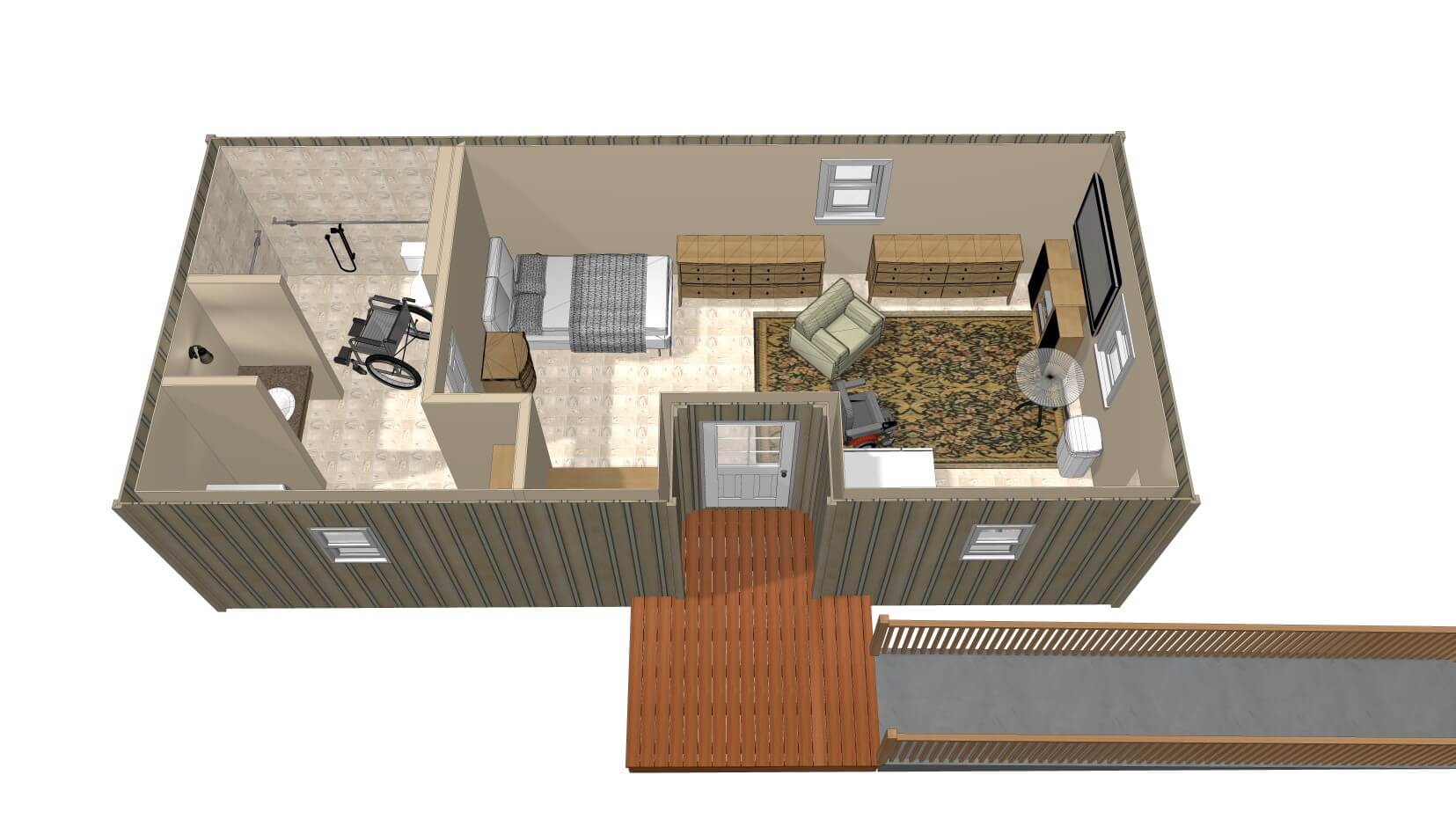
Tiny House Living
Tiny House Living

Concrete – First Look
Concrete – First Look
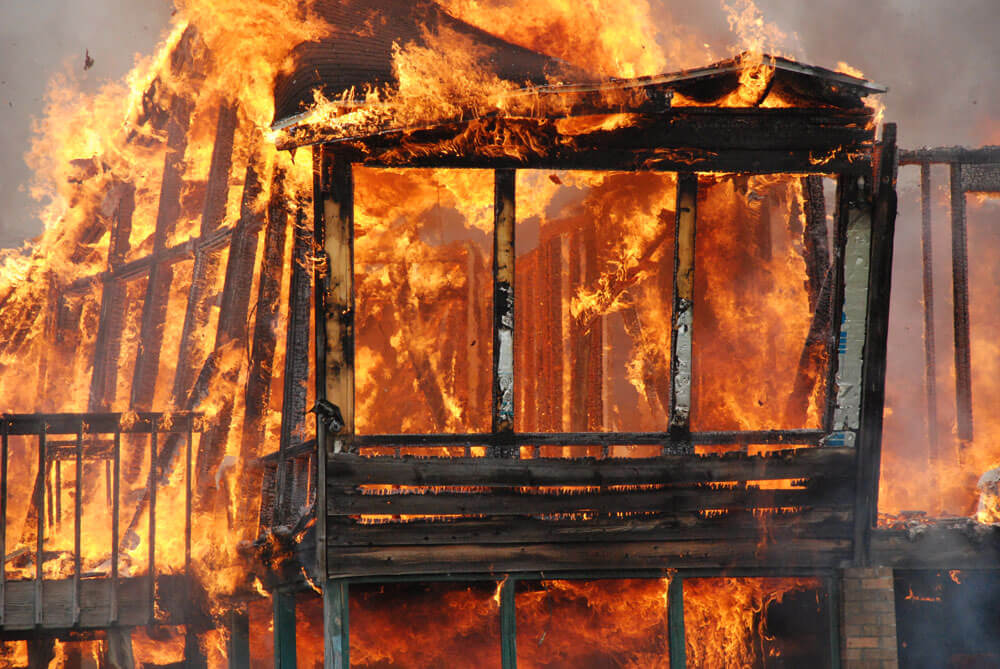
Wildfire (Will-Burn) Zones
Wildfire (Will-Burn) Zones

N-3 / MIND & BODY : The Dream Is Created...
N-3 / MIND & BODY : The Dream Is Created...

M-5 / Money : Borrowing, Managing, Repaying, ...
M-5 / Money : Borrowing, Managing, Repaying, ...
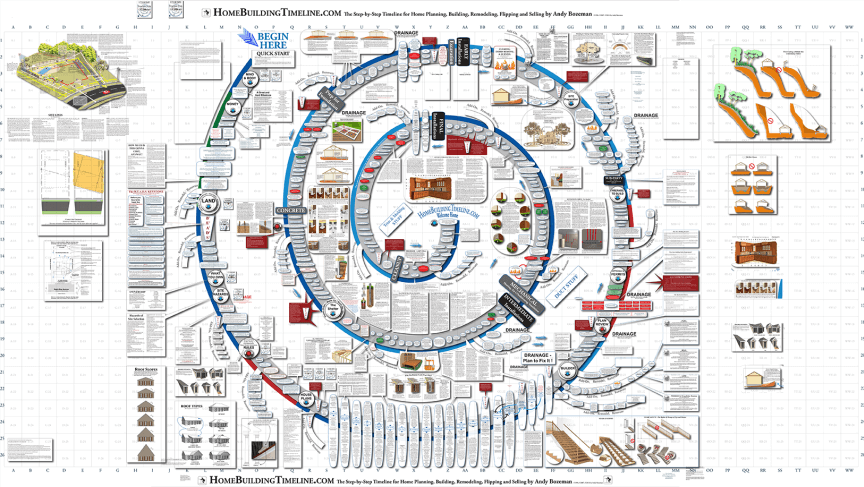
L-12 / BEADS KEYSTONE 14 Critical Questions t...
L-12 / BEADS KEYSTONE 14 Critical Questions t...

NECROSIS for BEGINNERS
NECROSIS for BEGINNERS
Index
Index
Secret Rooms : A Not-So-Secret Guide
Secret Rooms : A Not-So-Secret Guide
PANDEMIC PRICING AND HOMEBUILDING
PANDEMIC PRICING AND HOMEBUILDING
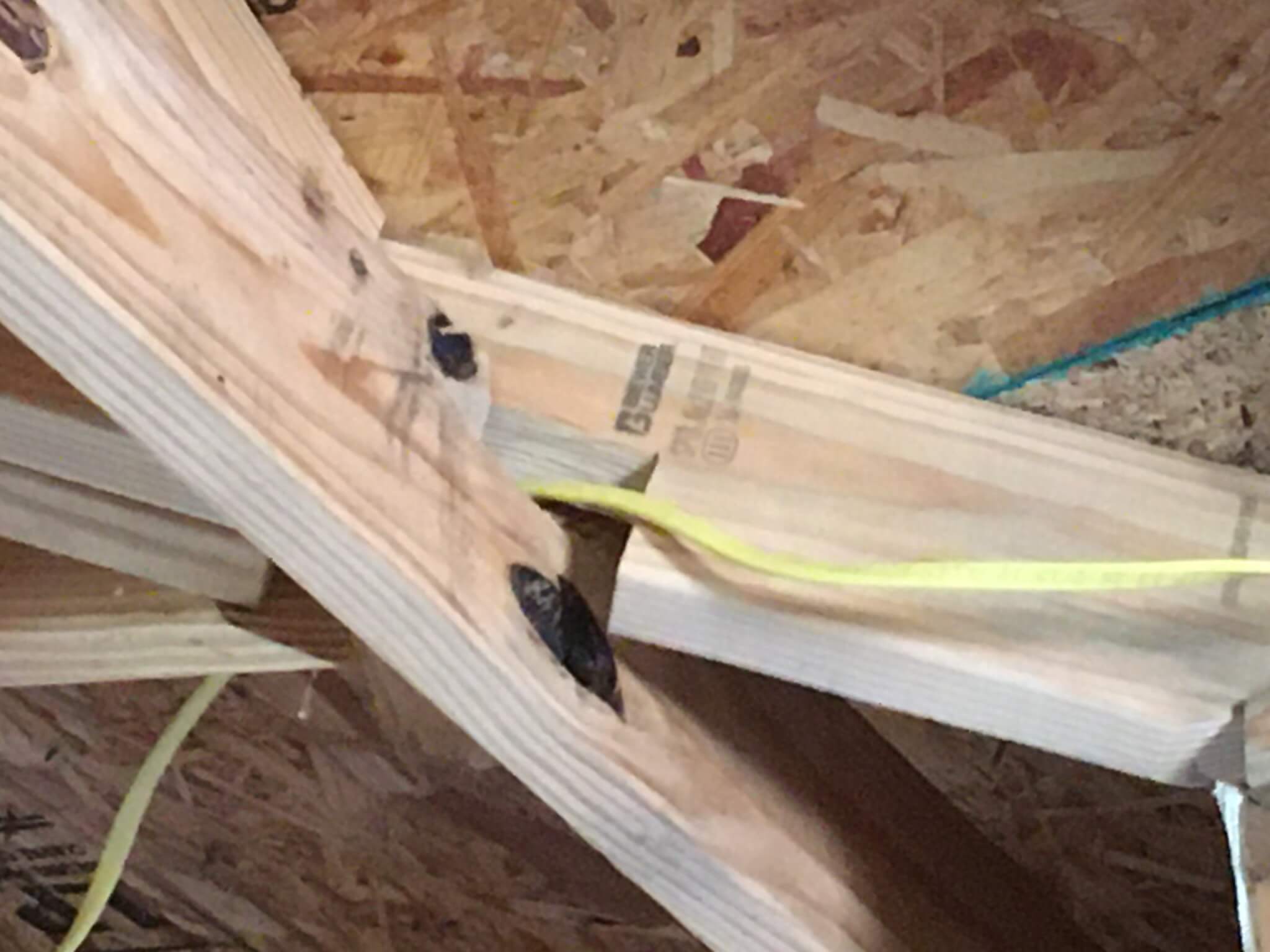
Home-building can be a String of Bad Decision...
Home-building can be a String of Bad Decision...

Be IndistrActable
Be IndistrActable

Codes Changing for Climate Change
Codes Changing for Climate Change

YOUR OLDIE-BUT-GOODIE DAYS : Aging-In-Place
YOUR OLDIE-BUT-GOODIE DAYS : Aging-In-Place

Favored Formula for Life
Favored Formula for Life

CLOSETS : Her Heart’s Desire
CLOSETS : Her Heart’s Desire